Understanding the Science Behind Gear Lubricants in Steel Manufacturing
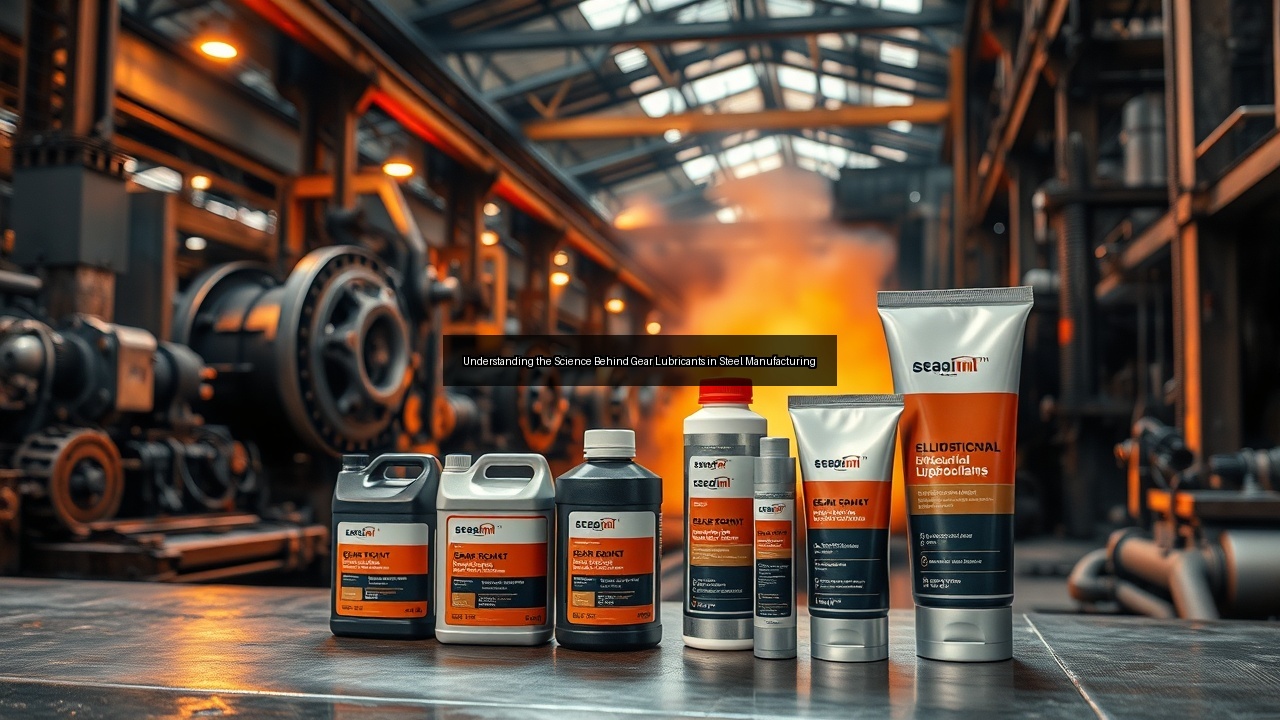
The Role of Gear Lubricants in Steel Manufacturing
Importance of Lubrication in Steel Mills
Steel mills rely on robust lubrication systems to keep heavy machinery running under extreme loads. Gear lubricants form a protective film that shields gears from direct metal contact, which cuts friction and heat buildup in rolling mills and reduction stands. Without proper steel mill lubricants, operators face rapid component failure that halts production lines. Effective lubrication also supports bearing lubrication across continuous operations, preventing seizures that could damage expensive equipment. Steel plants that prioritize consistent lube application see fewer unplanned shutdowns and longer service intervals on critical drives.
Industrial lubricant choices directly influence safety and uptime in steelworks. Technicians monitor viscosity and additive levels to match the high temperatures and contamination risks typical in steel production. Regular analysis of gear lube samples helps predict wear before it escalates. This proactive approach protects both personnel and capital investments while maintaining steady output in demanding environments like mini mills.
Types of Gear Lubricants Used
Manufacturers select gear lubricants based on load, speed, and temperature profiles found in steel mills. Synthetic gear lube formulations handle higher thermal stresses than conventional mineral oils, delivering stable performance during extended hot rolling cycles. Compounded oils with extreme pressure additives suit the heavy shock loads common in reduction gearboxes. Steel plants often standardize on a few proven grades to simplify inventory and training for maintenance crews.
Some applications call for specialized metalworking lubricants that combine cooling and lubrication functions. These products resist water washout in areas exposed to scale and coolant sprays. Operators evaluate pour point, flash point, and demulsibility when matching gear lubricants to specific mill sections. The right selection reduces oxidation and varnish formation that otherwise shortens equipment life.
Impact on Steel Production Efficiency
Optimized gear lubricants improve steel production efficiency by lowering energy consumption in drive systems. Reduced friction means motors draw less power while maintaining torque output through rolling stands and casting equipment. Steel mills that track lubricant performance often report measurable gains in throughput because machines maintain target speeds without overheating. Consistent lubrication also supports smoother startups after maintenance shutdowns.
Efficient lubrication practices contribute to overall plant productivity by extending drain intervals and cutting waste oil volumes. Maintenance teams use condition monitoring to adjust feed rates precisely, avoiding both under-lubrication and excess that leads to leakage. These refinements keep steel plants competitive by minimizing variable operating costs tied to energy and downtime.
Understanding the Composition of Steel Mill Lubricants
Base Oils: The Foundation of Gear Lube
Base oils provide the primary film strength in gear lubricants used throughout steel manufacturing. Highly refined paraffinic stocks offer good thermal stability for the sustained high temperatures in steel mills, while naphthenic bases provide better solubility for certain additives. Synthetic base oils such as polyalphaolefins deliver superior performance under severe conditions found in hot rolling and continuous casting lines. Steel plants evaluate viscosity index and oxidation resistance when specifying base stocks for new equipment.
The base oil selection influences how well the finished lubricant handles water contamination common in steelworks. Oils with low volatility reduce evaporation losses near furnaces and annealing lines. Formulators balance these properties to create gear lube that maintains film thickness even when loads spike during coil changes or section reductions.
Additives for Enhanced Performance
Additive packages transform base oils into high-performance steel mill lubricants. Extreme pressure agents form sacrificial layers on gear teeth during boundary lubrication events, protecting against scoring in heavily loaded reducers. Antioxidants extend service life by slowing degradation from heat and oxygen exposure in continuous operations. Rust inhibitors safeguard steel components during shutdown periods when condensation can occur.
Detergents and dispersants keep wear particles suspended so filters capture them before they recirculate through bearing lubrication systems. Steel plants monitor additive depletion through oil analysis programs that guide timely top-ups or changes. These chemical enhancements allow gear lubricants to meet the rigorous demands of modern rolling mills without frequent replacement.
Greases vs. Oils: Choosing the Right Lubricant
Greases and oils each serve distinct roles in steel mill lubrication strategies. Lubricating grease stays in place within centralized systems feeding slow-moving bearings and open gears, providing long-term protection without constant replenishment. Oils circulate through enclosed gearboxes to carry away heat and contaminants generated during high-speed rolling. Steel plants match the lubricant type to component speed, load, and accessibility.
Many facilities combine both approaches, using oils for gear cases and greases for exposed pinions or idlers. The decision affects maintenance routines and total lubricant consumption. Proper selection ensures reliable operation across diverse equipment in steel production while controlling costs associated with inventory and disposal.
Applications of Lubricants in Steel Processes
Lubrication in Continuous Casting
Continuous casting operations demand precise lubrication to protect molds and withdrawal rolls from abrasive scale and thermal shock. Specialized steel mill lubricants reduce friction between the solidifying strand and mold walls, preventing surface defects that would require costly downstream repairs. Operators apply controlled quantities of lubricant to maintain steady casting speeds without excessive mold wear.
Bearing lubrication in the caster's drive systems also relies on high-temperature greases that resist water ingress from cooling sprays. Steel plants optimize these applications to support longer sequences between maintenance stops. Effective lubricant management here directly supports productivity targets by minimizing breakouts and surface quality issues.
Role of Lubricants in Hot Rolling
Hot rolling stands subject gears and bearings to intense loads and temperatures that test even premium gear lubricants. Lubrication systems deliver oil or grease to roll neck bearings and pinion drives to maintain film strength during reduction passes. Steel mills monitor temperatures and pressures closely to adjust delivery rates and prevent scoring on critical components.
Metalworking fluids applied at the roll bite further aid deformation while protecting surface finish. The combination of gear lube in power transmission and process lubricants at the work interface keeps rolling mills productive. Plants that fine-tune these systems achieve higher reduction ratios and better strip quality with fewer interruptions.
Optimizing Tube Bending with the Right Lubricant
Tube bending operations in steel plants require lubricants that withstand high contact pressures without staining finished products. Proper steel lubricants reduce mandrel friction and wrinkling during tight-radius bends, preserving dimensional accuracy. Maintenance teams select low-residue formulations that clean easily after heat treatment steps.
Consistent application of the correct lube also extends tooling life and reduces energy needed for bending presses. Steelworks integrate these practices into quality control procedures to meet strict specifications for pipe and tube products. The right lubricant choice supports both throughput and surface integrity in this specialized process.
Benefits of Proper Lubrication in Steelworks
Reducing Wear and Tear on Machinery
Proper application of gear lubricants dramatically slows abrasive and adhesive wear on gears, bearings, and shafts throughout steel mills. The protective film separates surfaces under load, limiting metal loss that leads to vibration and misalignment. Steel plants that follow disciplined lubrication schedules report extended intervals between rebuilds on rolling mill drives and caster equipment.
Regular filtration and contamination control further enhance these benefits by keeping wear particles from accelerating damage. Effective bearing lubrication programs complement gear lube strategies to create a comprehensive defense against mechanical degradation. This approach preserves capital assets and maintains consistent production quality.
Enhancing Productivity in Steel Plants
Well-managed lubrication directly boosts productivity by keeping machines available for longer runs. Steel mills that eliminate lubrication-related stoppages achieve higher overall equipment effectiveness and meet delivery commitments more reliably. Operators gain confidence to push equipment closer to design limits when they know protective films remain intact.
Training programs that emphasize correct lubricant handling and application reinforce these gains across shifts. Steel plants track key performance indicators tied to lubrication to identify improvement opportunities. The resulting uptime improvements compound into significant annual output increases without additional capital investment.
Cost Savings through Effective Lubrication
Strategic use of steel mill lubricants generates measurable cost savings through reduced energy draw, fewer replacement parts, and lower waste disposal volumes. Extended drain intervals cut the frequency of oil changes and associated labor. Steel plants also avoid expensive emergency repairs when early detection of lubricant degradation prevents major failures.
Accurate lubricant selection and application eliminate the hidden costs of over-lubrication, such as leakage cleanup and product contamination. Many facilities achieve payback within months by implementing condition-based monitoring tied to their gear lube and grease programs. These efficiencies strengthen the competitive position of steelworks in global markets.
Future Trends in Steel Mill Lubricants
Innovations in Metalworking Fluids
Advances in metalworking fluids continue to raise performance standards for steel mill lubricants. New additive chemistries provide better film strength at lower treat rates, reducing overall consumption while improving protection during hot rolling and tube bending. Formulators also develop products with enhanced thermal conductivity to manage heat more effectively in high-speed casting lines.
Steel plants evaluate these innovations through controlled trials that measure wear rates and energy use against current baselines. Successful products earn broader adoption across multiple mill sections. Ongoing research targets lubricants that maintain performance even as equipment designs push speeds and loads higher.
Sustainability in Steel Lubrication
Sustainability initiatives drive development of biodegradable and lower-toxicity steel mill lubricants that meet environmental regulations without sacrificing protection. Recyclable base oils and re-refined stocks reduce the carbon footprint of lubricant purchases in steel plants. Many facilities now track lubricant lifecycle impacts as part of broader environmental goals.
Water-based alternatives and high-performance greases with extended service lives further support waste reduction efforts. Steelworks collaborate with suppliers to implement closed-loop systems that reclaim and reprocess used oils. These practices align operational efficiency with regulatory compliance and community expectations.
The Role of Technology in Lubricant Selection
Digital tools and sensor networks now guide lubricant selection and application in modern steel mills. Real-time viscosity and temperature data allow automated adjustments to feed rates that optimize film thickness while minimizing usage. Predictive analytics help maintenance teams anticipate additive depletion before performance declines.
Steel plants integrate these technologies with enterprise systems to maintain consistent lubrication practices across shifts and locations. The data also supports supplier partnerships by documenting actual operating conditions. Technology-driven decisions accelerate adoption of the most effective gear lubricants for each process area.
See Also
- The Future of Steel Mill Lubricants in Sustainable Manufacturing
- Enhancing Bearing Lubrication for Optimal Steel Mill Operations
- Cost-Effective Lubrication Solutions for Mini Mills
- Unlocking Efficiency with the Right Steel Mill Lubricants
- How to Choose the Best Oils for Continuous Casting in Steelworks